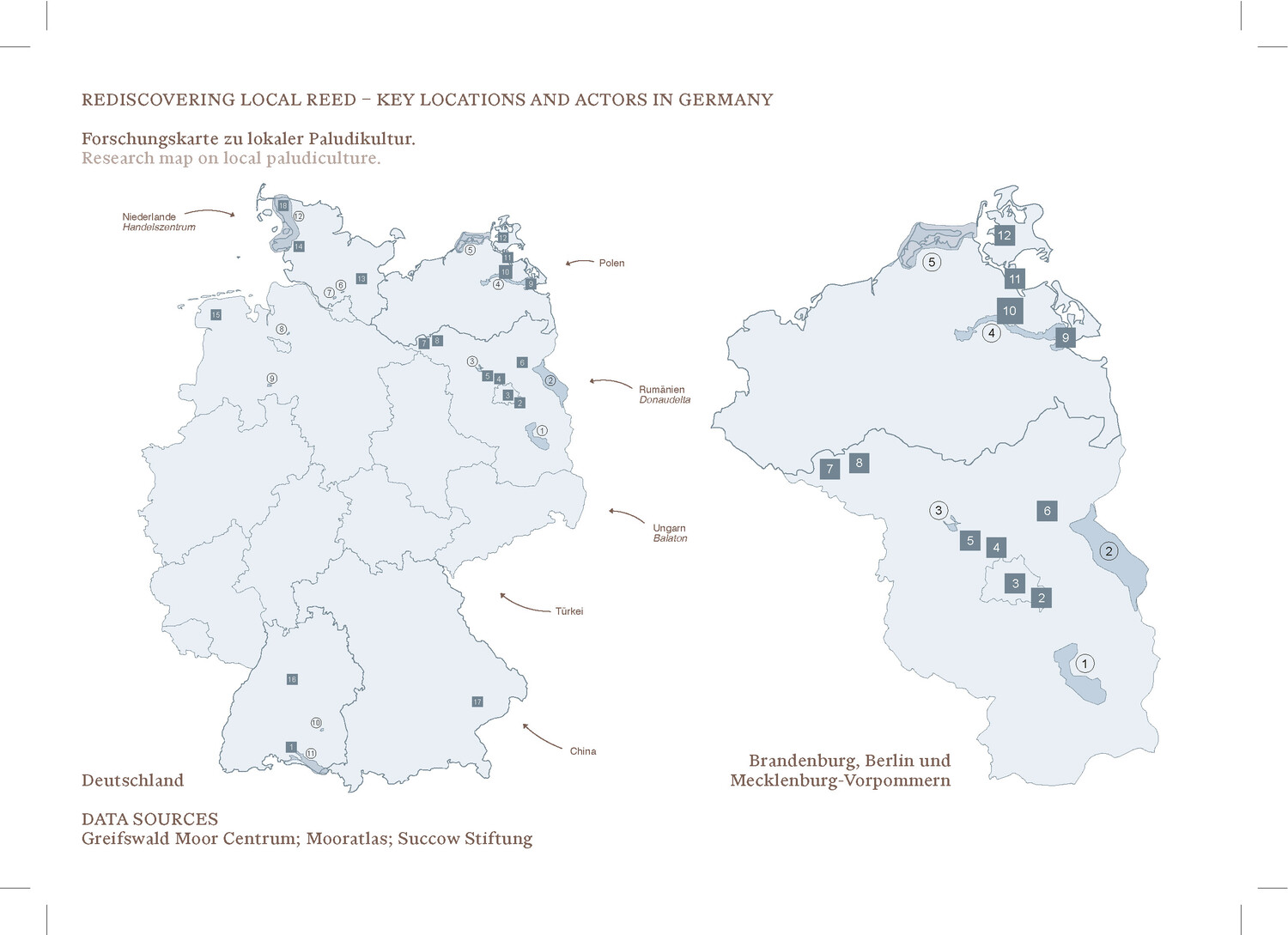
‘RE:ET‘ explores the potential of common reed (Phragmites australis) and cattail (typha) as materials for urban infrastructure. While wetlands have been drained for centuries, resulting in the loss of valuable carbon sinks, the use of plants from rewetted peatlands through paludiculture–the use of wetlands–offers new opportunities for regional material cycles.
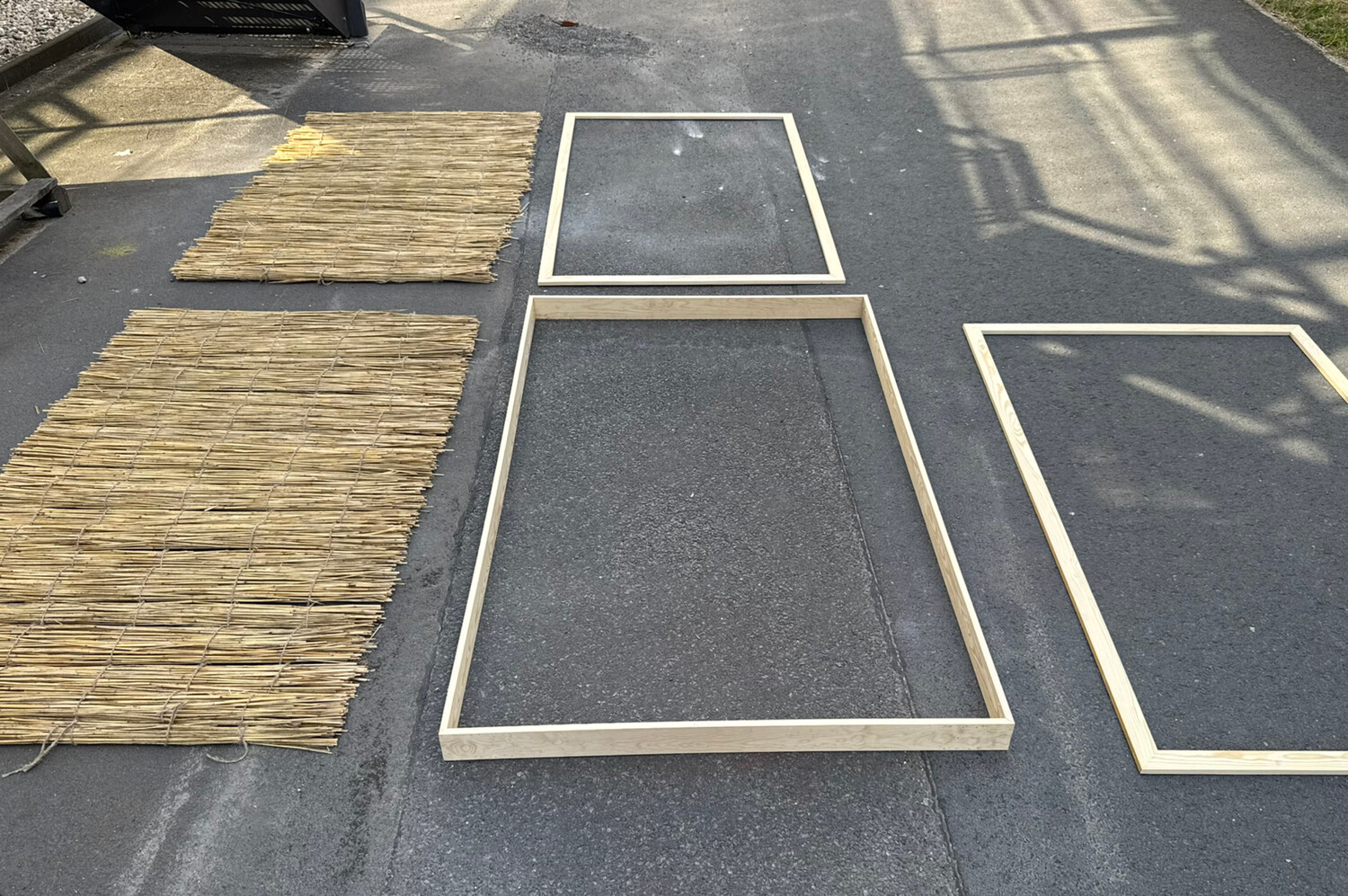
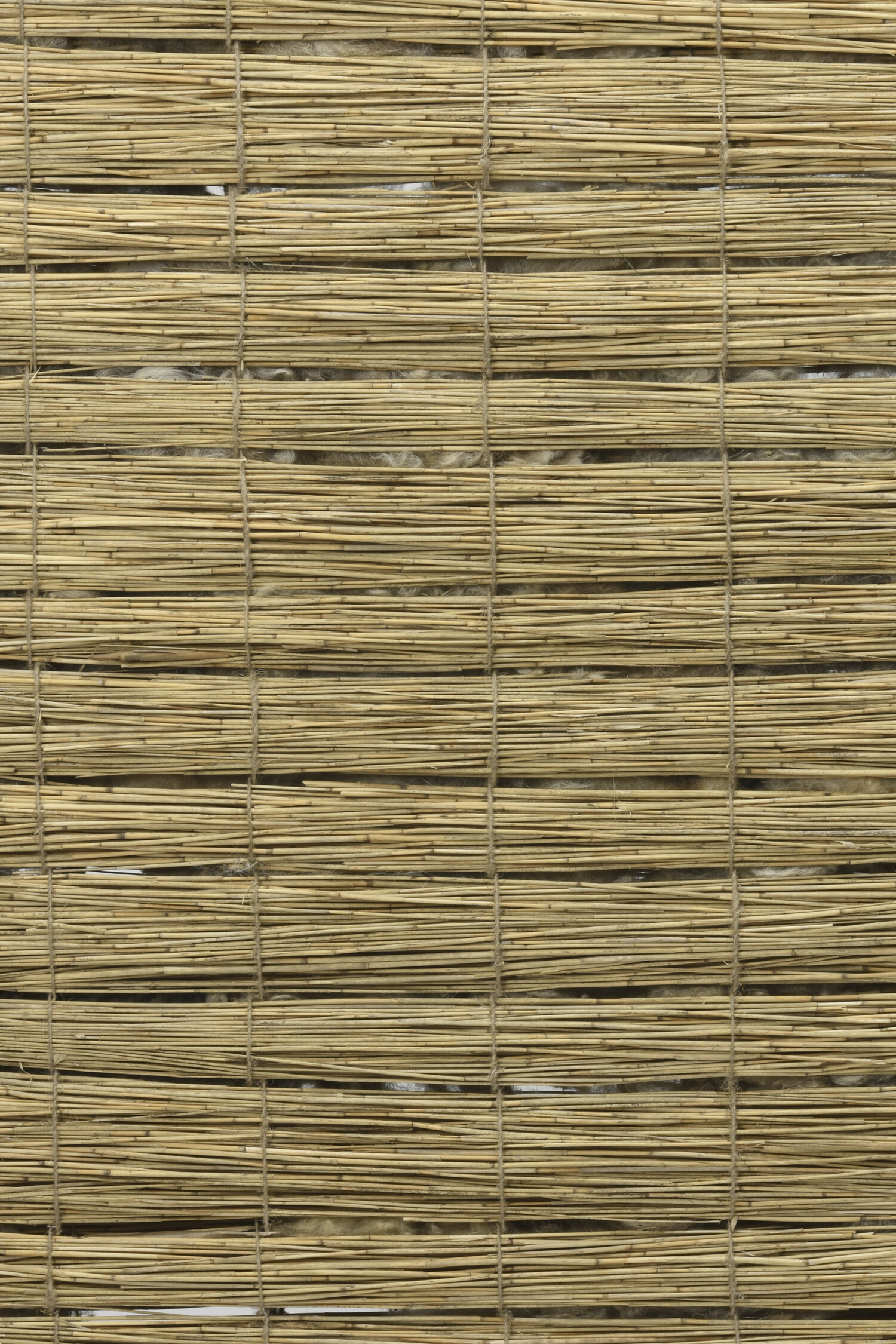
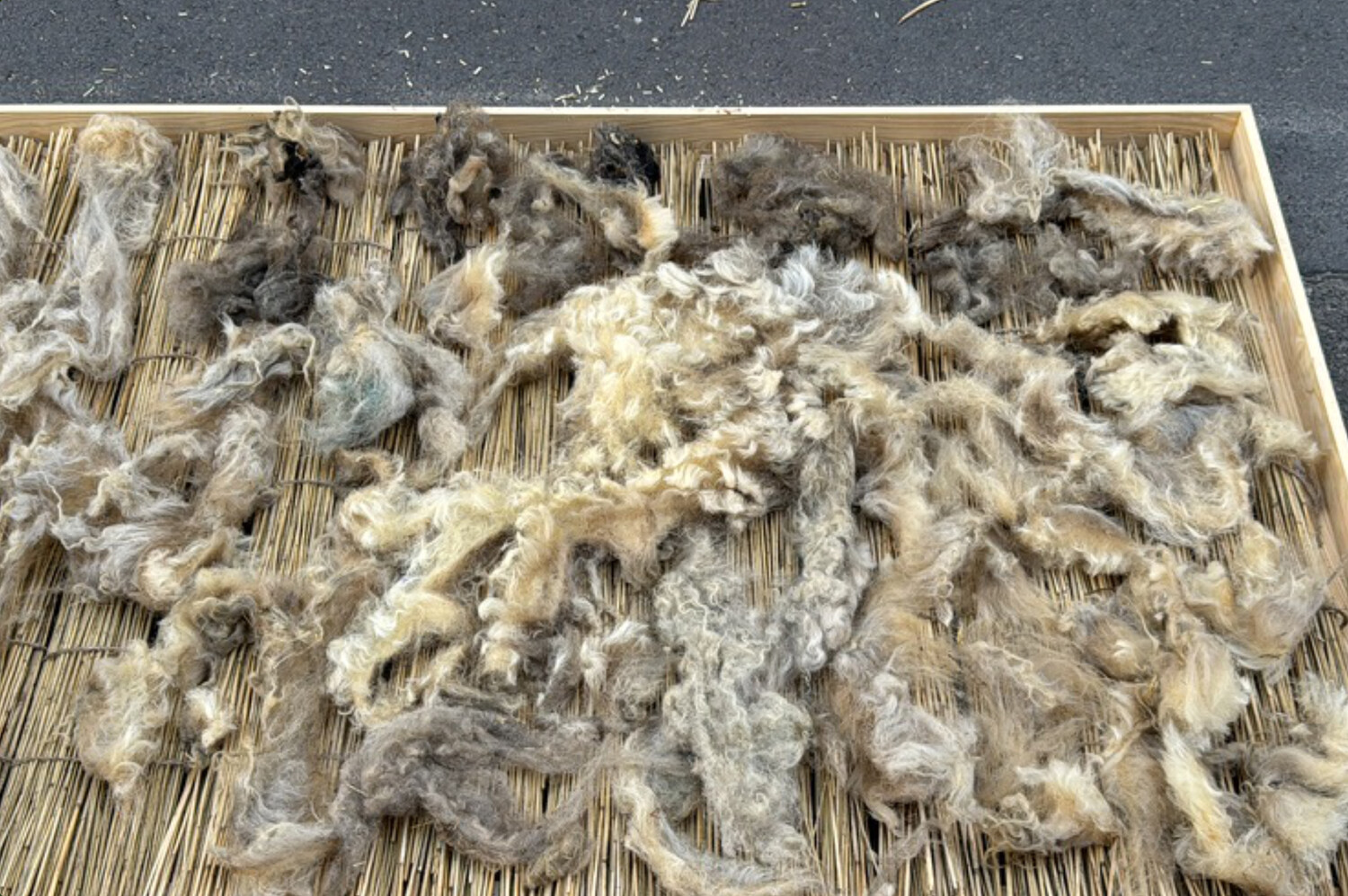
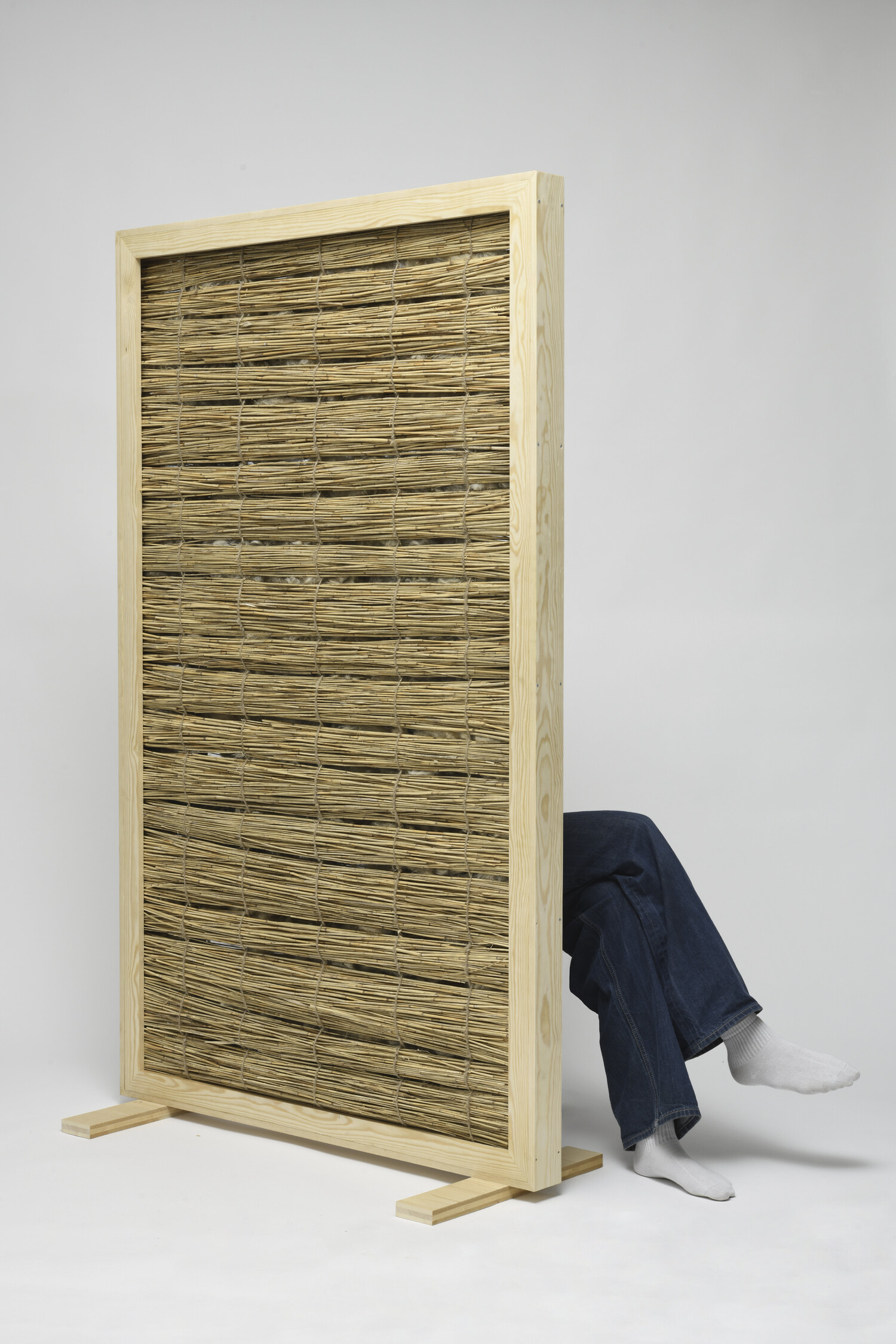
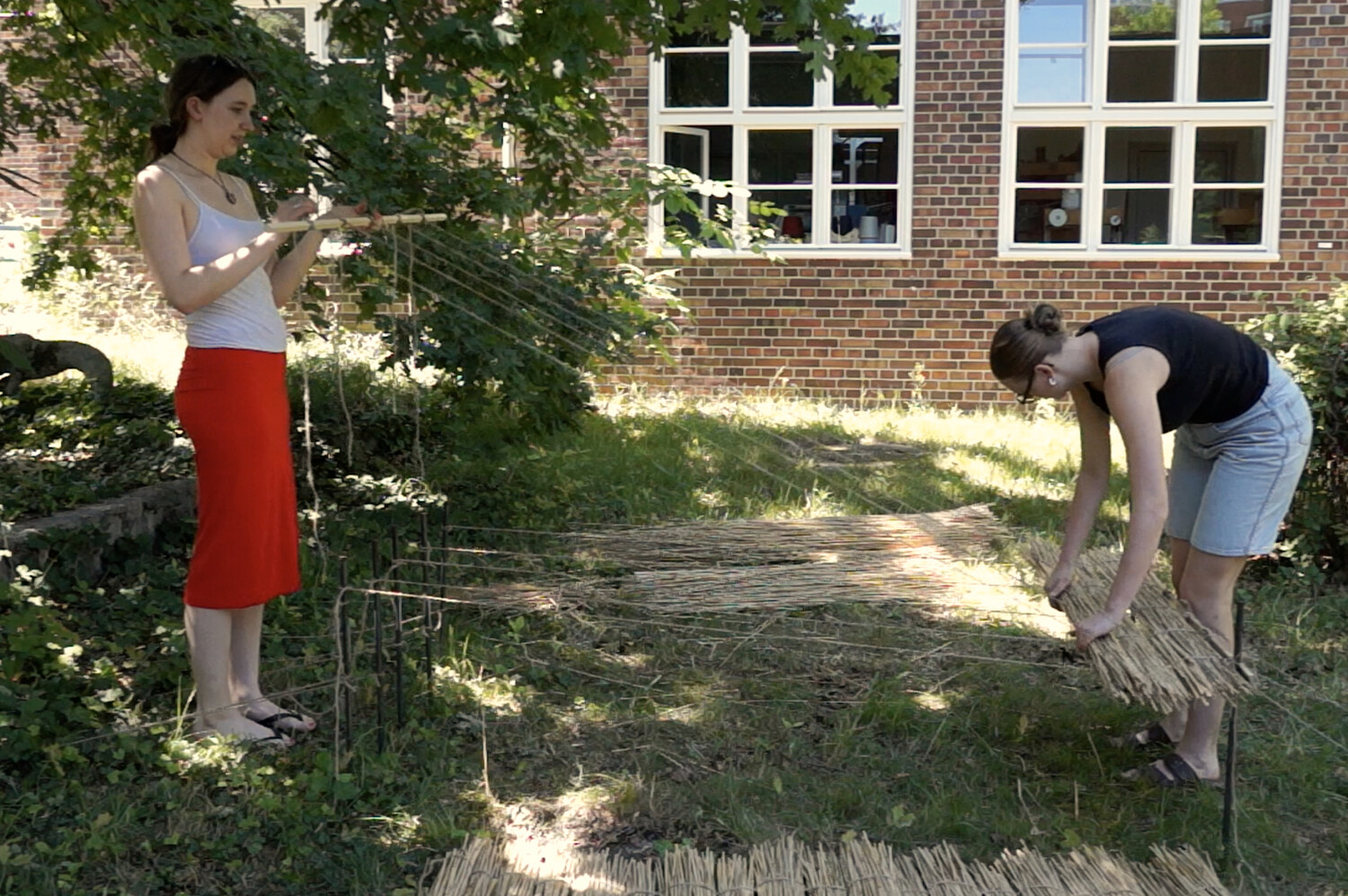
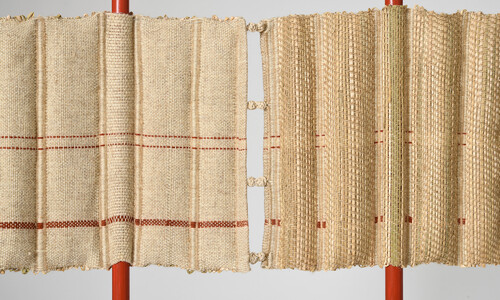
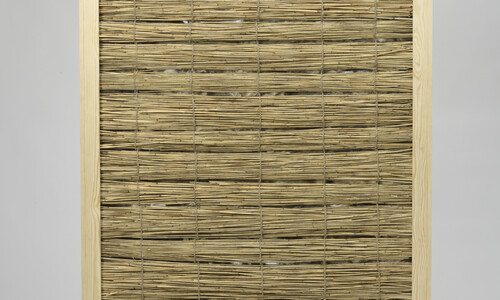
‘RE:ET‘ translates the millennia-old use of reed into a contemporary urban context. The outcome is a modular privacy and acoustic system made from reed and typha designed for public spaces such as train stations. Woven reed integrated into timber frames creates a permeable structure that filters light, provides privacy, improves acoustic comfort and creates an atmospheric urban environment, while cattail serves as an additional sound-absorbing infill material.
‘RE:ET‘ highlights the potential of native wetland plants for the climate-conscious design of public spaces and aims to stimulate regional material cycles and the re-establishment of local paludiculture.
Supervisor(s)
Prof. Barbara Schmidt, Prof. Dr. Zane Berzina, Prof. Mark-Jan Bludau, Prof. Dr. Lucy Norris, Martin Conrads, Mareen BaumeisterRelated projects


Related news
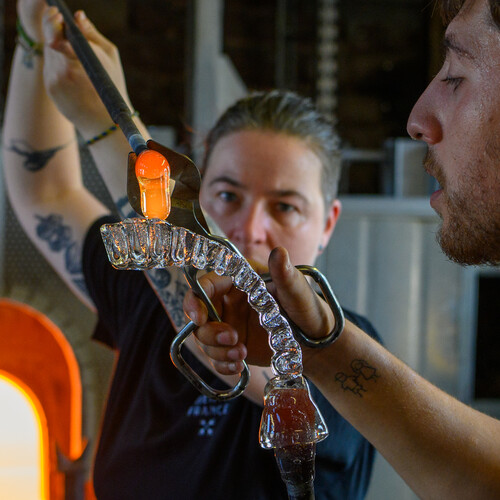
RE:LOKAL – von Manufaktur zu Manufaktur
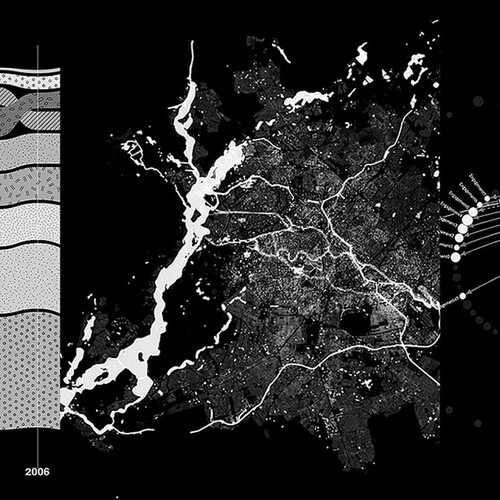
Introduction to Data Visualization: Making Data Visible and Understandable – Workshop
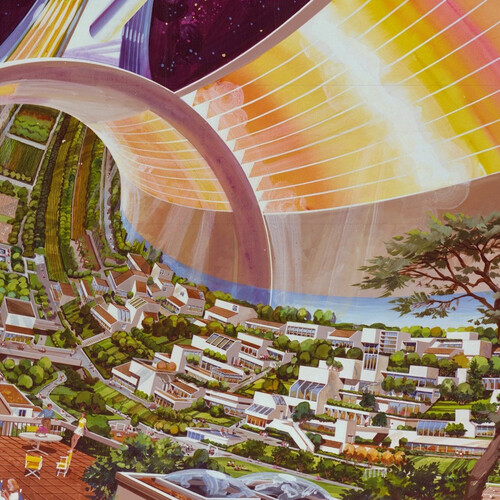
Circular Futures – Workshop
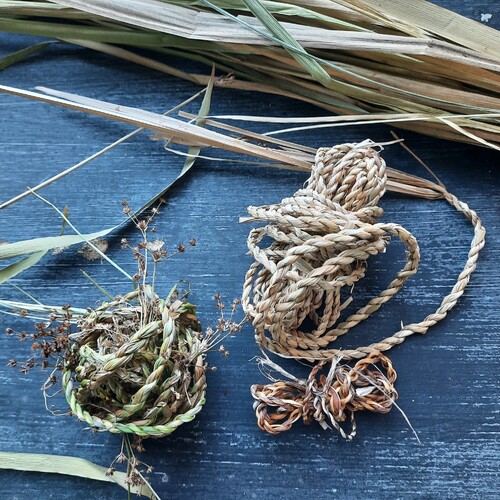
Moorpflanzen: Erprobung von Flechttechniken mit nachhaltigen Materialien aus Paludikultur – Workshop
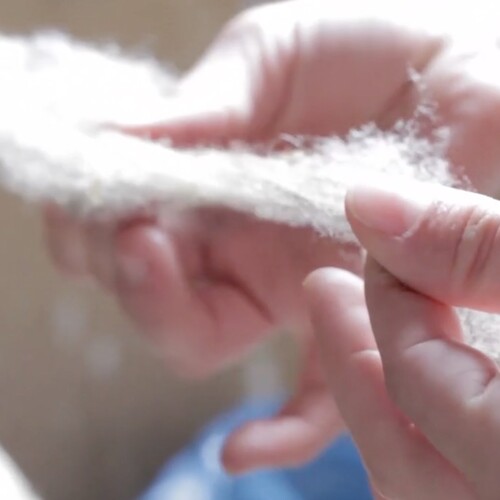
Soft Matter: Wool Between Craft and Robotic Fabrication – Workshop
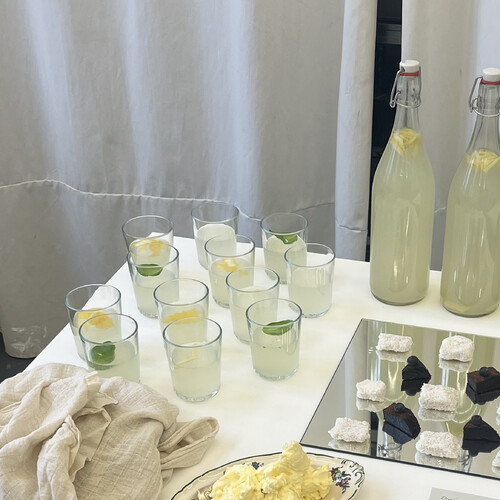
Fermentation – Workshop
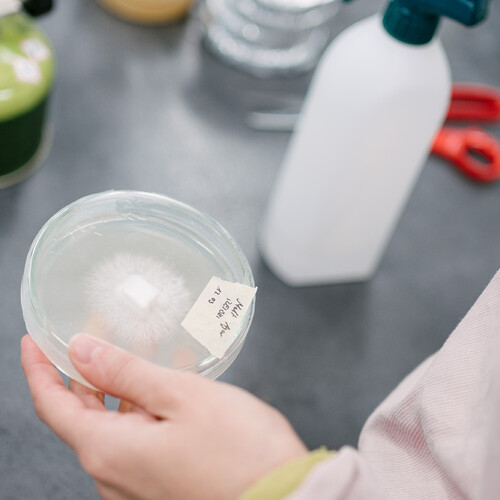
Wachsende Materialien: Experimentieren mit Mycelium – Workshop
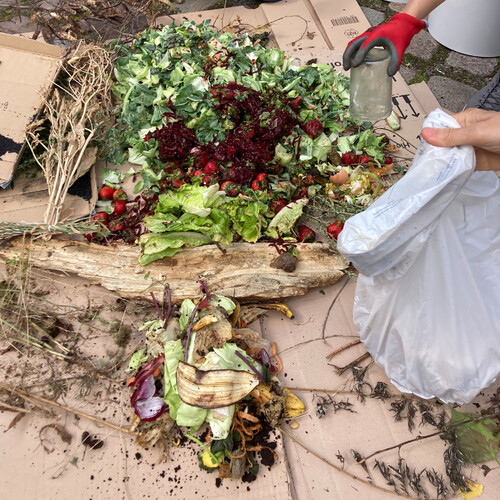
Beyond the Loop: Growing a Future from Today’s Lunch – Workshop