What constitutes a good life? How can we shape it?
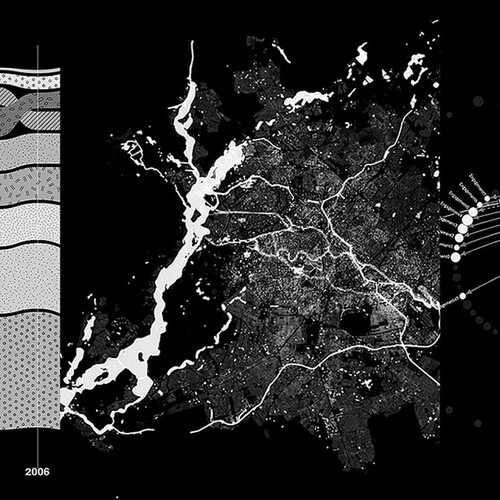
In the summers of 2024, 2025 and 2026, greenlab, the laboratory for sustainable design strategies at the weißensee school of art and design, is exploring Berlin's diverse connections with its surrounding region. In the summer semester of 2024 the focus was on Berlin's supply of water and other resources under the title ‘Metabolism’. In 2025, ‘Cohabitation – Transformation of Spaces’ followed, an intensive examination of the possible uses of (living) spaces for human and non-human species in the region, the city and our campus. This summer, in 2026, the focus will be on the possibilities of supporting a circular economy in our immediate environment.
If we rethink our metabolism within the world and promote a transformation of our linear economy into a circular one, designers can play a pivotal role in this process: we can shape the product culture of tomorrow from the ground up, starting with the use of resources. So how can we support the development of local and regional economies, and what could be produced in our vicinity with locally available raw materials? What if we became prosumers in a circular economy? And ultimately, what if our lives were less about consumption and more about self-efficacy, community and happiness?
According to the Federal Institute for Geosciences and Raw Materials, Germany is a country poor in raw materials. Is that true? We have virtually no oil, we should leave the remaining coal in the ground, and there is no longer any significant metal mining. On the other hand, we have fertile fields and plenty of leftovers from food production and forestry, as well as a huge amount of secondary raw materials in our waste systems. How can we make better use of all this? How can we design production processes in such a way that they generate as little waste as possible and their use as by-products is considered from the outset? How could products be created through processes that are as close to natural growth as possible? How can habitats for other species be supported and nature encouraged to flourish?
In the summer semester of 2026, the greenlab at the Weißensee School of Art and Design will explore the potential of a regional, circular bioeconomy. Together with stakeholders from agriculture, forestry and food production and research institutions, we want to work on materials and services for the region. We have set ourselves three priorities:
-
Cellulose
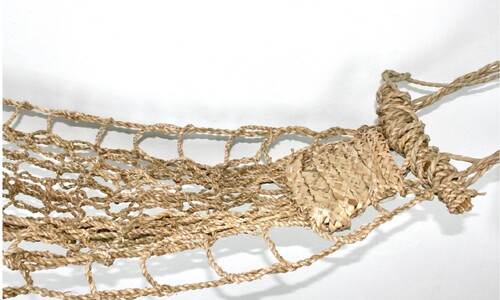
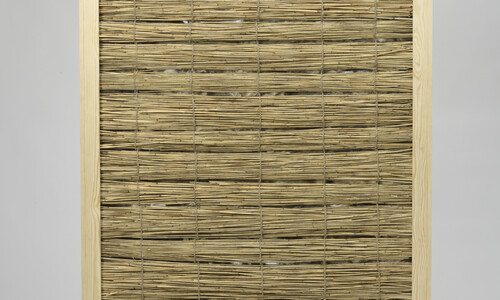
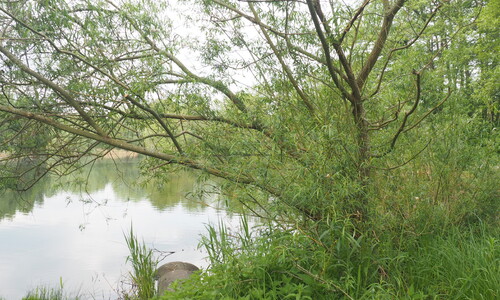
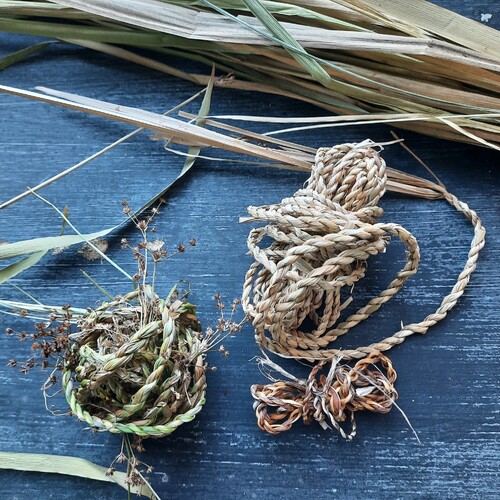
The name Berlin probably derives from the Slavic (more precisely: Old Polabian) root brlo (berlo): ‘swamp, mire, damp place’. The areas around Berlin were also wet, for example Lusatia, whose name comes from the Sorbian word ‘łuža’, meaning ‘swampy, wet meadows’. The rewetting of such former wetlands, which have been drained for centuries of agricultural use, is key to binding CO2 on a large scale. To compensate the current farmers of these areas, new agricultural uses must be developed in what is known as paludiculture. We want to understand wetlands as ecosystems of which we, as humans, are a part, and examine how benefits for humans can be gained by taking a holistic view of the plants that can be cultivated there, such as grasses and willow, and the animals that can also contribute to its flourishing, such as water buffalo. In addition, we will focus on the development of products from waste materials from the food and timber industries. -
Local wool
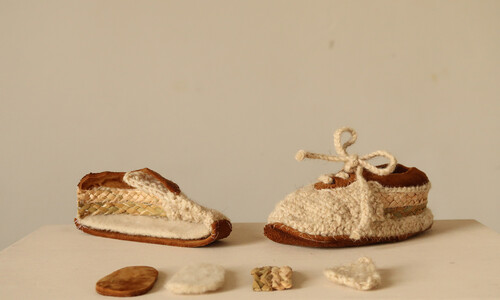
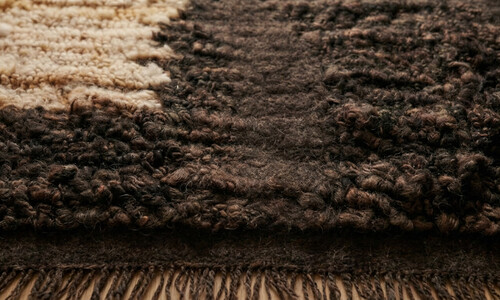
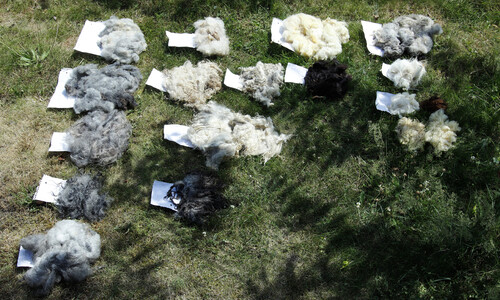
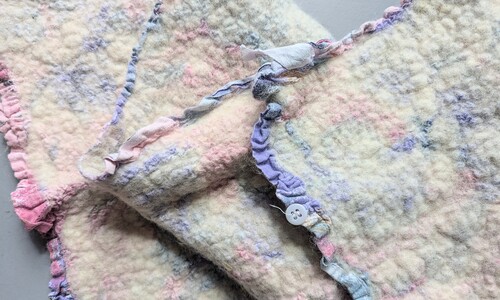
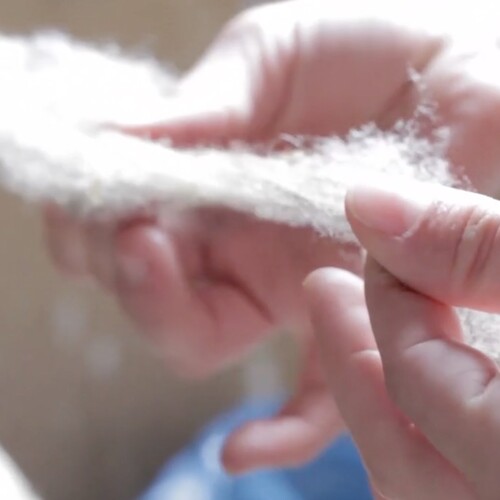
The wool from native sheep, which are mainly kept for landscape conservation, is currently not being used. It is burned or, at best, composted. There are many reasons for this – it is coarse wool that is not suitable for wearing next to the skin, and the infrastructure for processing it (sorting, washing, etc.) is currently lacking in Germany. What possible uses can be developed for this valuable raw material? What could the process chains look like? How can manual work be combined with digital tools that are accessible to us, such as robotics (e.g. using robotic felting, which has already been successfully tested at our university)? -
Microorganisms
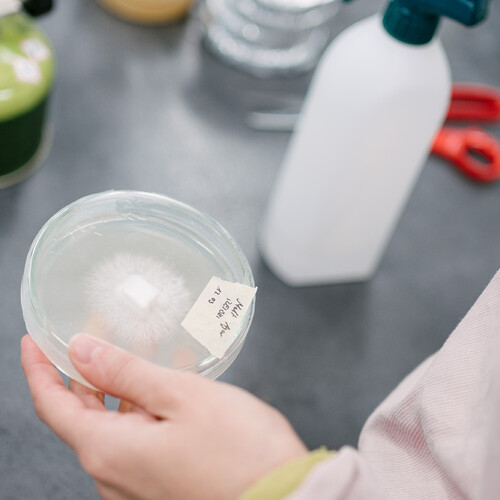
Fermentation, i.e. the use of microorganisms to produce food and materials, is an ancient cultural technique. Today, it is practised under controlled conditions in laboratories, e.g. to produce raw materials for the pharmaceutical industry or in industrial food production. Bread baking at home with homemade sourdough experienced a small boom during the pandemic, and some of us also know how to make kombucha, sauerkraut or kimchi.
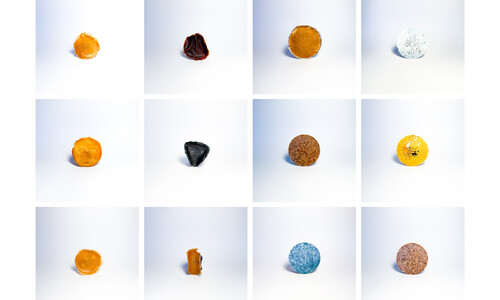
What is less well known, for example, is that microorganisms can be used for dyeing – and we are still largely unaware of their importance for soil fertility. In this design project, we want to take a closer look at how we can work with bacteria and fungi in the context of a local bioeconomy, i.e. consider and test how we can produce materials and items for everyday use in the region at small, decentralised production sites.
There will, of course, be overlaps between the three areas. Together with our project partners, we want to roll up our sleeves and develop concrete, hands-on proposals for a future of regional circular economy!