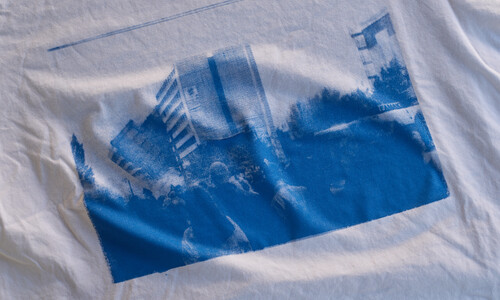
Paper is seen as eco-friendly, but its overproduction leads to de-forestation and insect habitat loss. Both production and recycling emit large amounts of CO2, and even in Germany, high recycling rates rely on energy-intensive systems.
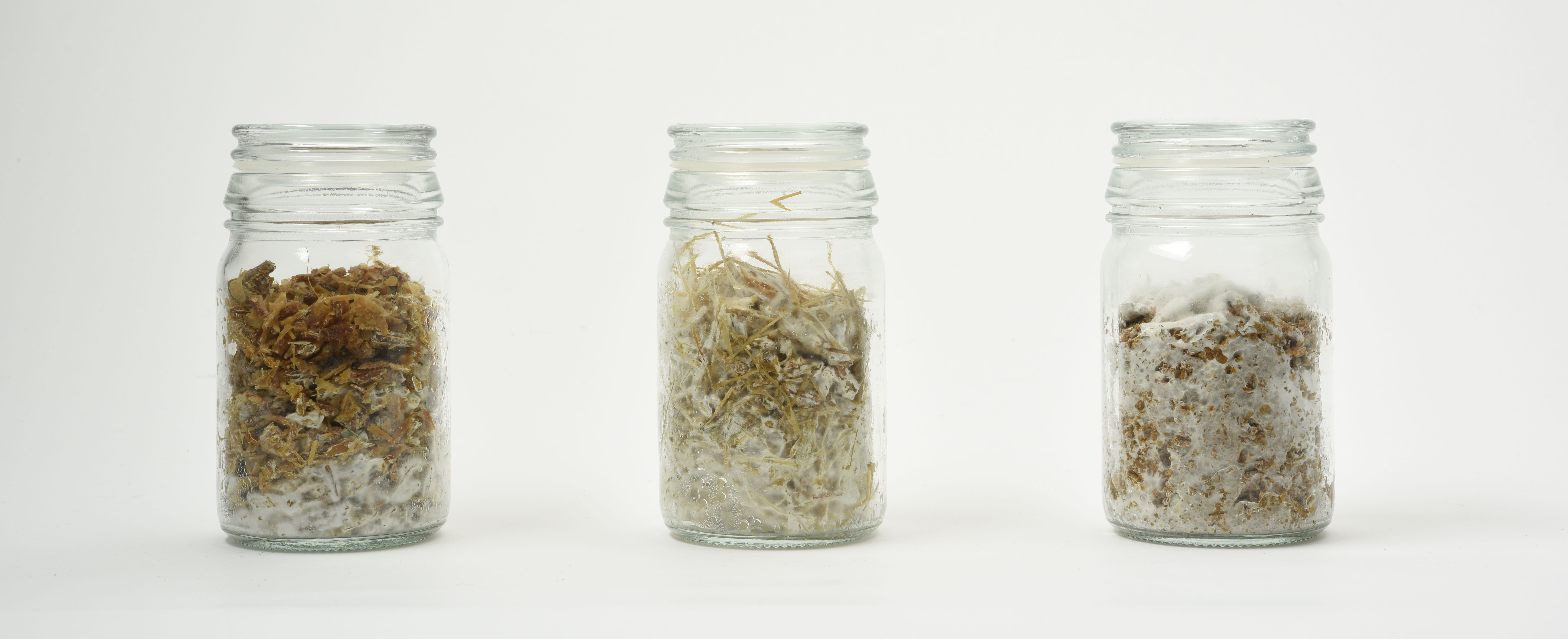
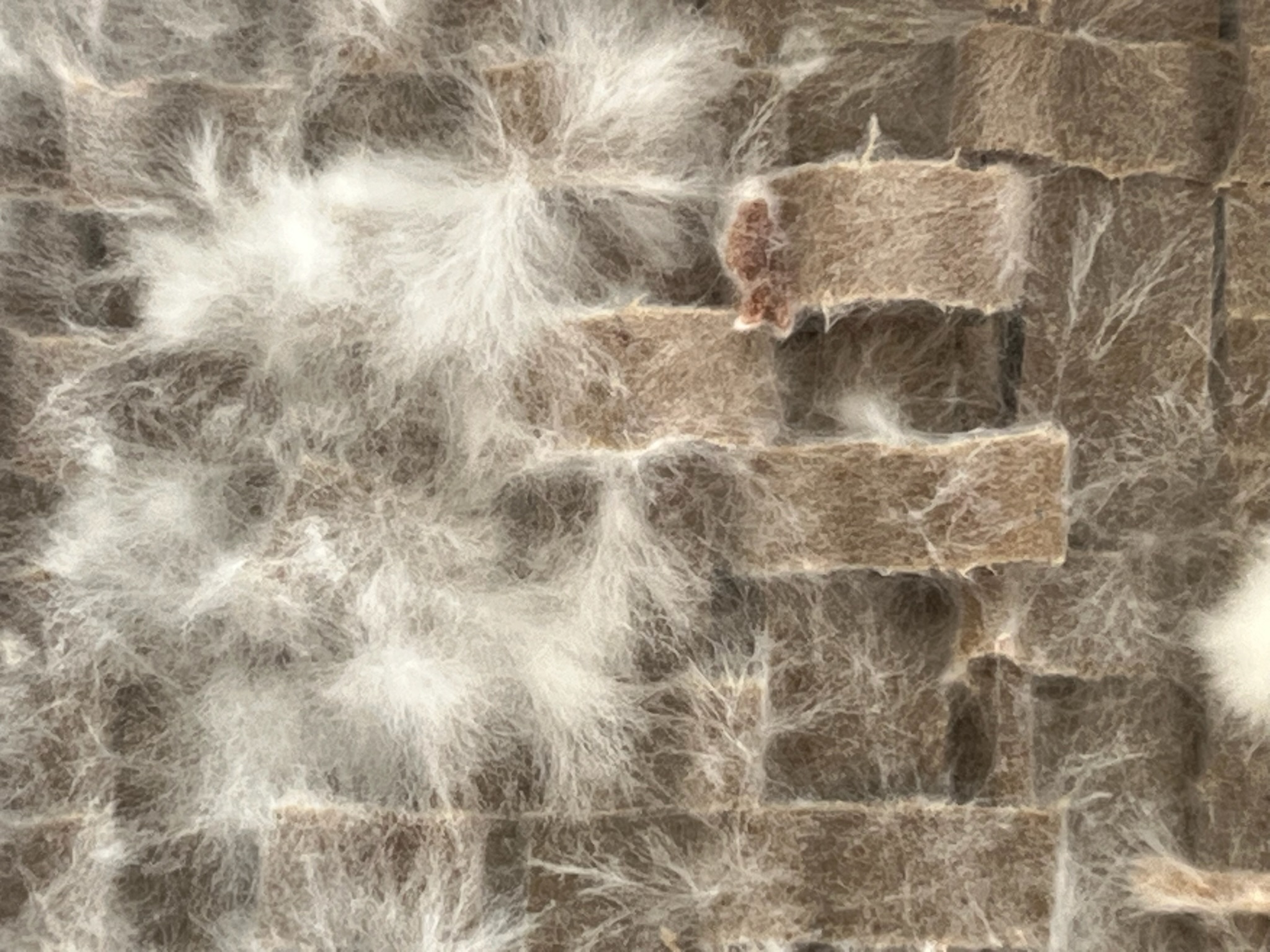
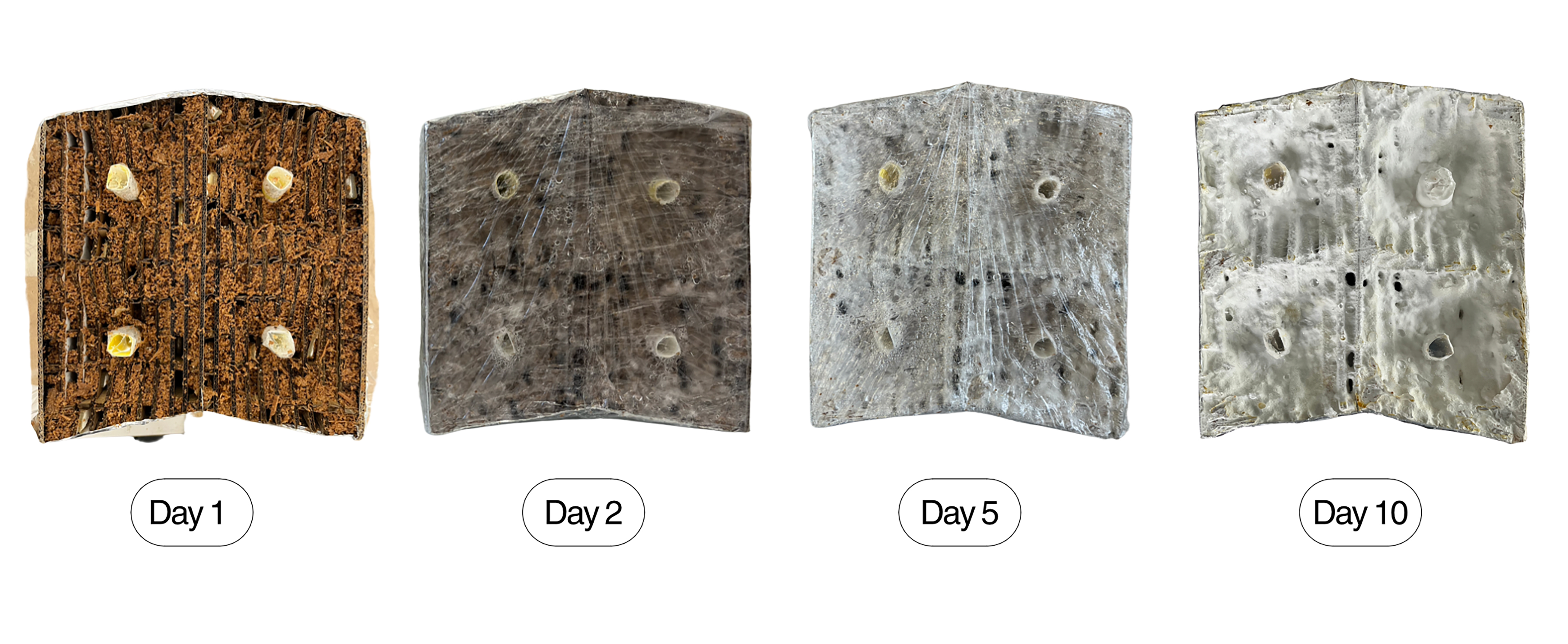
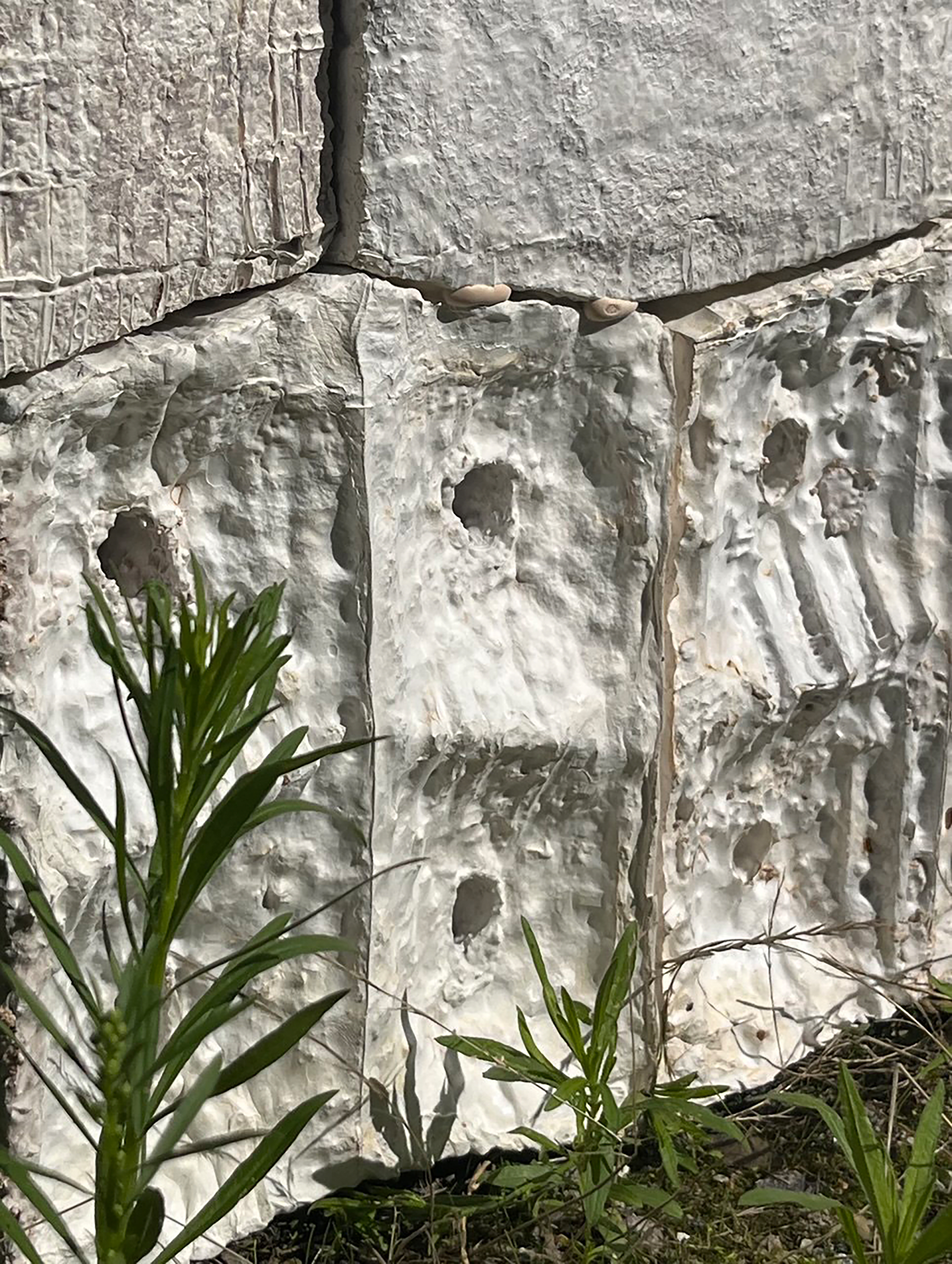
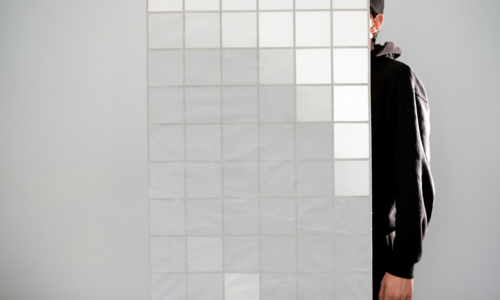
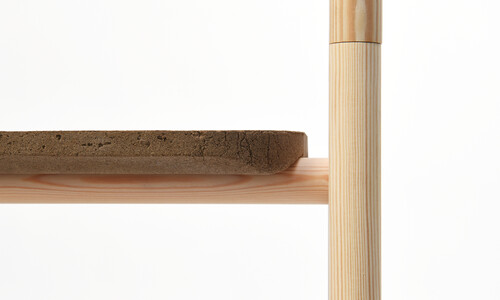
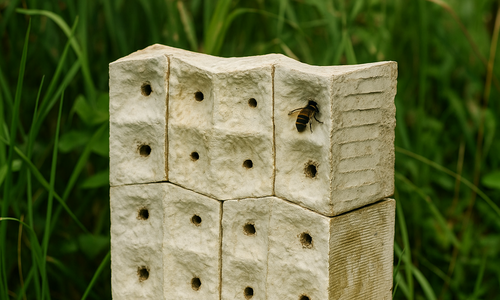
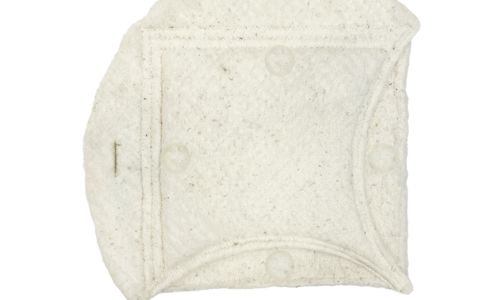
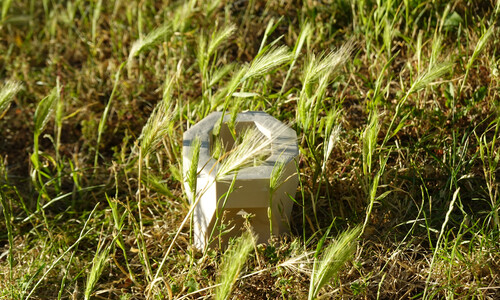
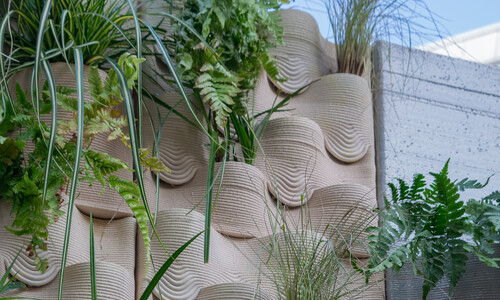
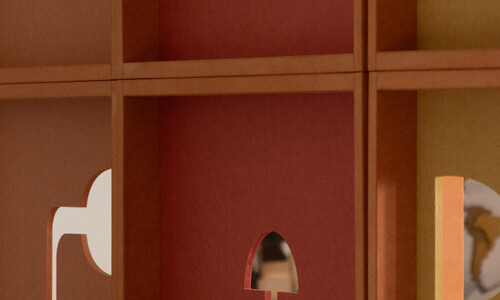
Re:paper tile is a circular design experiment that transforms locally discarded paper into architectural tiles that function as insect habitats. It explores how design can engage the full material life cycle and shift our perception of consumption. Mycelium consumes cellulose, the main component of paper. It grows on a waffle-structured cardboard frame made from waste, thereby forming small concave openings for insects. Each tile interlocks in a structure that requires no adhesives, relying solely on shape and pressure to stay together. Within the tile, the mycelium captures CO2, acting as a carbon sink. Afterward, the tile biodegrades into compost, enriching the soil.
It goes beyond simply replacing one material with another — it fundamentally questions how we consume and discard. It proposes a new sense of circularity for coexistence with nature. Ultimately, it invites us to reconsider not just what we use, but how we let go.