In the summers of 2024, 2025, and 2026, greenlab—the interdisciplinary laboratory for sustainable design strategies at weißensee kunsthochschule berlin–explores the complex interconnections between Berlin and its surrounding region.
In recent years, the area has been heavilyaffected by drought. Climate change is no longer an abstract concept—it is palpable. If we are to continue living here, we must respond to this shift without fueling it further. The task ahead is to transform the spaces we inhabit—at the university, on the city's streets and squares, from the Spree to the Oder.
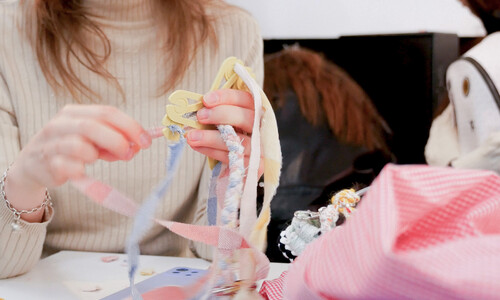
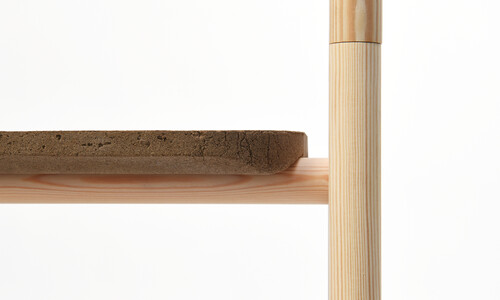
Within this context, this summer semester students were focussing on the various social, ecological, geo–political and economical aspects of Berlin–Brandenburg in order to develop practical and forward thinking design proposals. They had three different projects to choose from within the framework of greenlab:
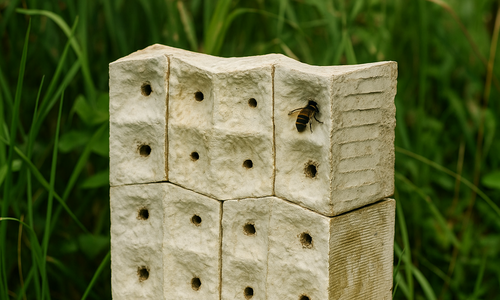
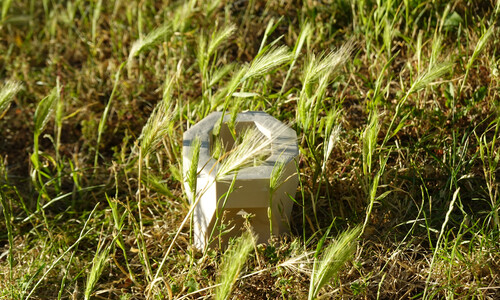
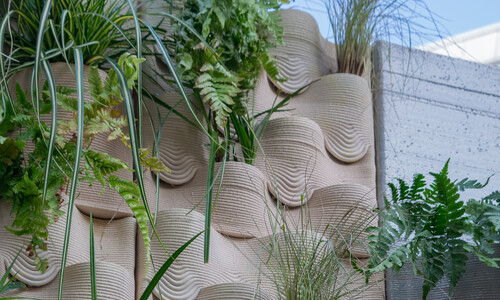
URBAN GREENERY, BIODIVERSITY & MATERIAL CYCLES
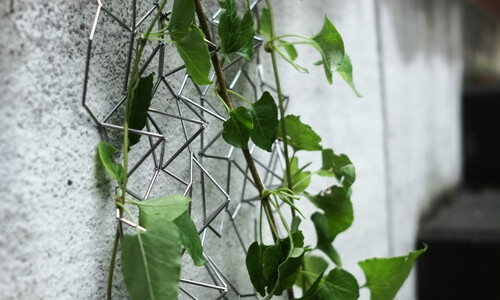
As urban centers face mounting pressure from climate change, biodiversity loss, and resource scarcity, green infrastructure becomes critical. Urban greenery is more than a visual amenit —it is a foundation of resilience and sustainability, woven into the ecological, social, and economic fabric of the city. What role can design play in shaping a future where people, nature, and the built environment coexist in balance?
HOUSING QUESTIONS & BUILDING WITHIN THE EXISTING FABRIC
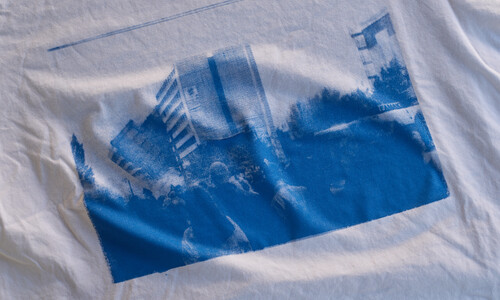
The previous German government promised new housing to ease the housing crisis. But very little was built. Socially, this is a failure; ecologically, a reprieve—new construction accounts for up to 40% of greenhouse gas emissions. While Berlin faces a housing shortage, apartments in Eisenhüttenstadt—just 90 minutes away by train—are being demolished. We were attempting to settle in there, reimagining existing neighborhoods and buildings. Sometimes, this means going through walls – like those in P2 and Q6 prefab housing blocks.
CAMPUS: FORM-FORCE-MASS
In 1956, weißensee kunsthochschule berlin's new building was erected next to the former Trumph chocolate factory. The site preserved elements of what was there before: pear trees from the former allotments and the factory's fire pond, repurposed as a swimming pool. No one foresaw that one day more than three times as many people would study here—or that winters would grow milder, summers hotter. How can we work and live better on this campus—recognizing that work time is life time? How can we develop it without overburdening it? How can we intensify its use without compromising its potential?