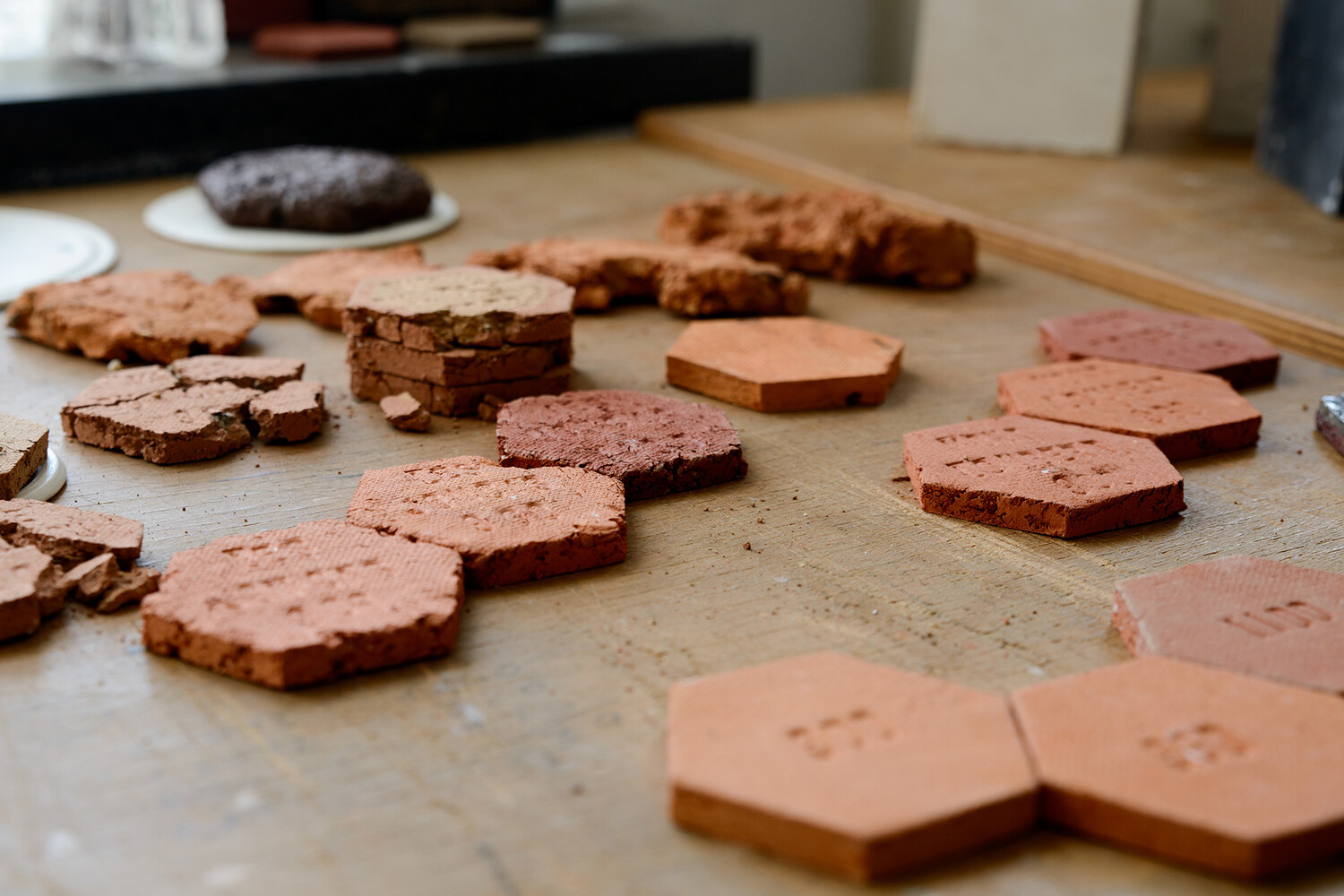
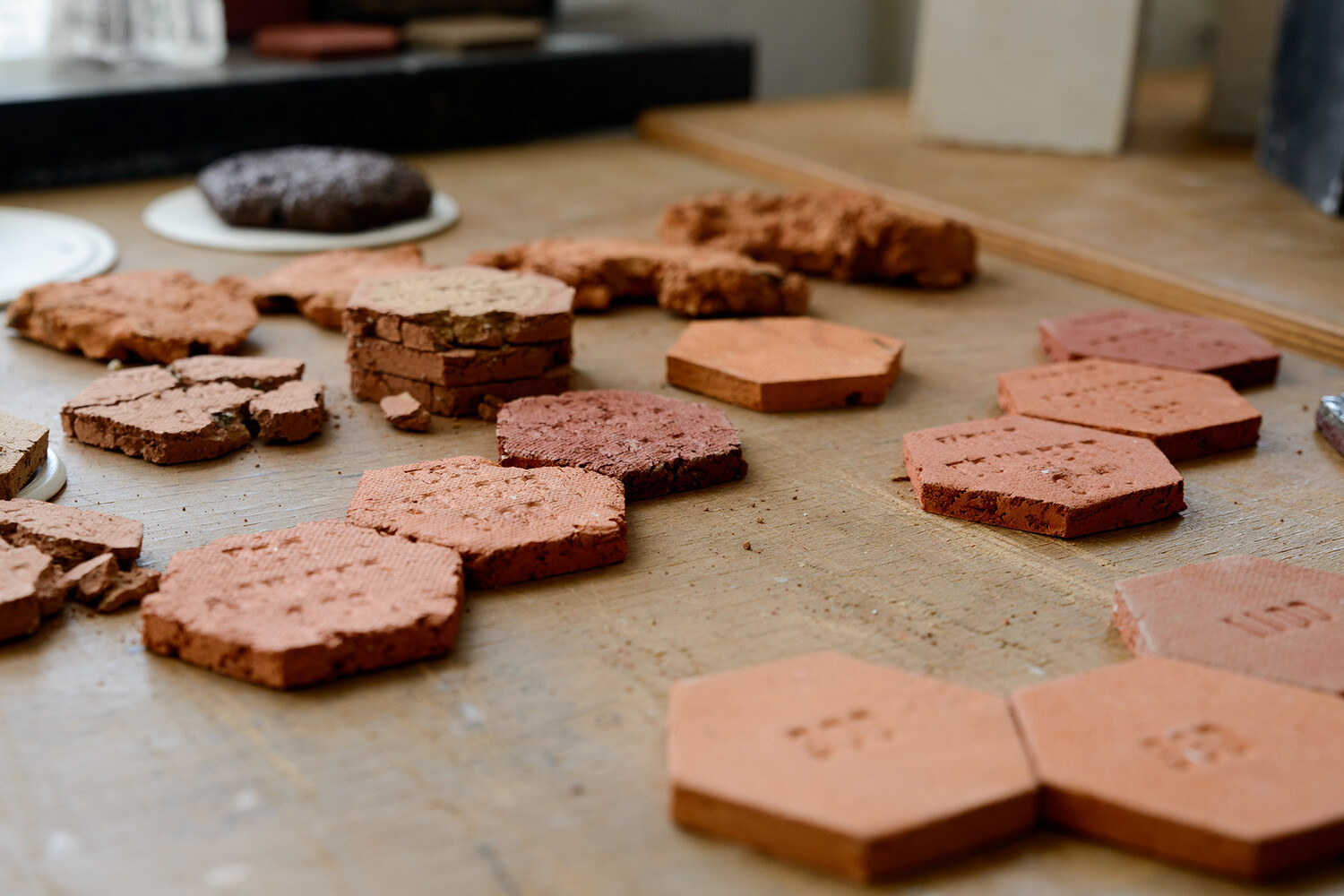
One of the properties of clay is that it can only be brought into a permanent form through firing—but a kiln is not necessarily required. In principle, it is possible to fire shaped clay directly at the location where it was sourced. This principle is applied in this project.
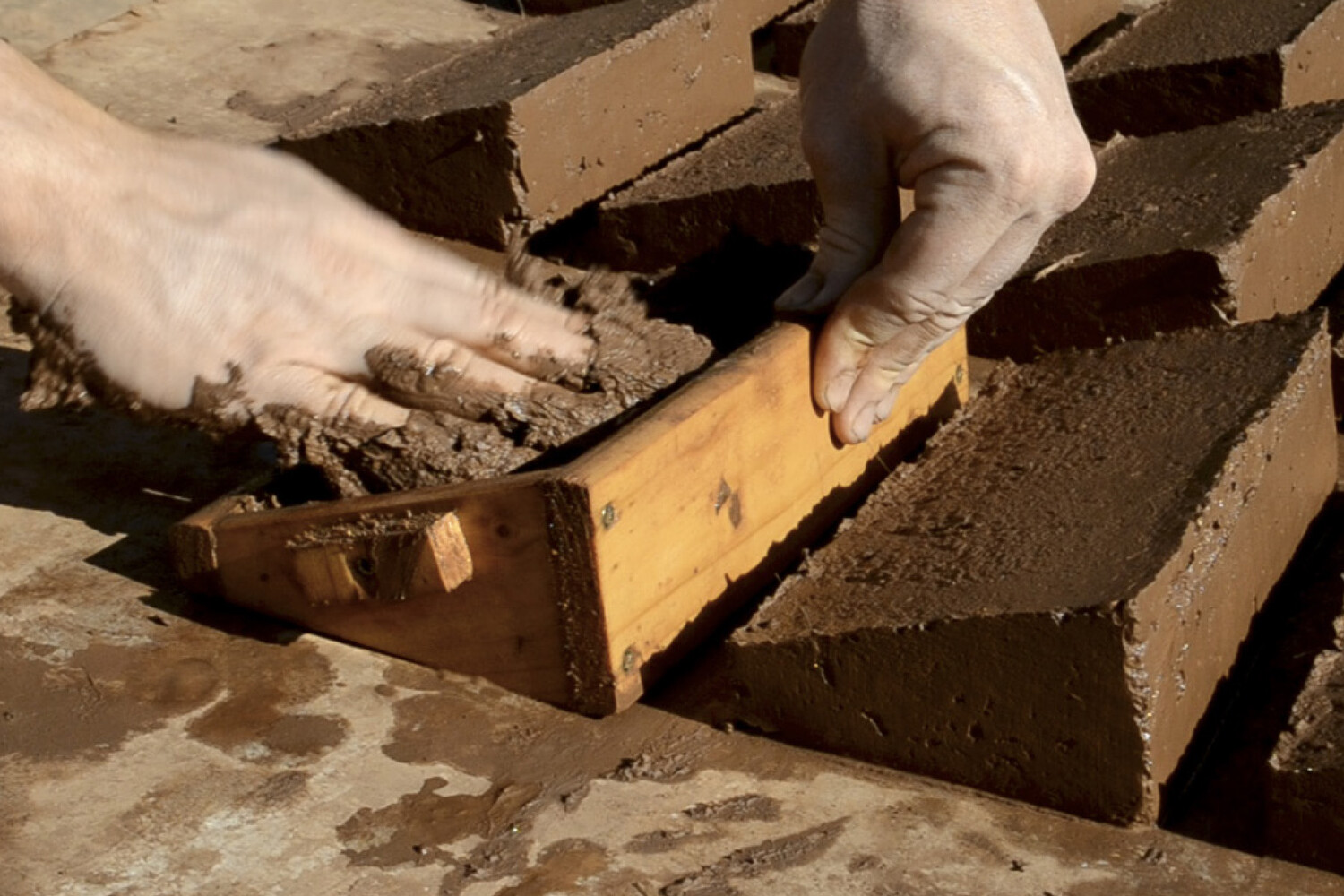
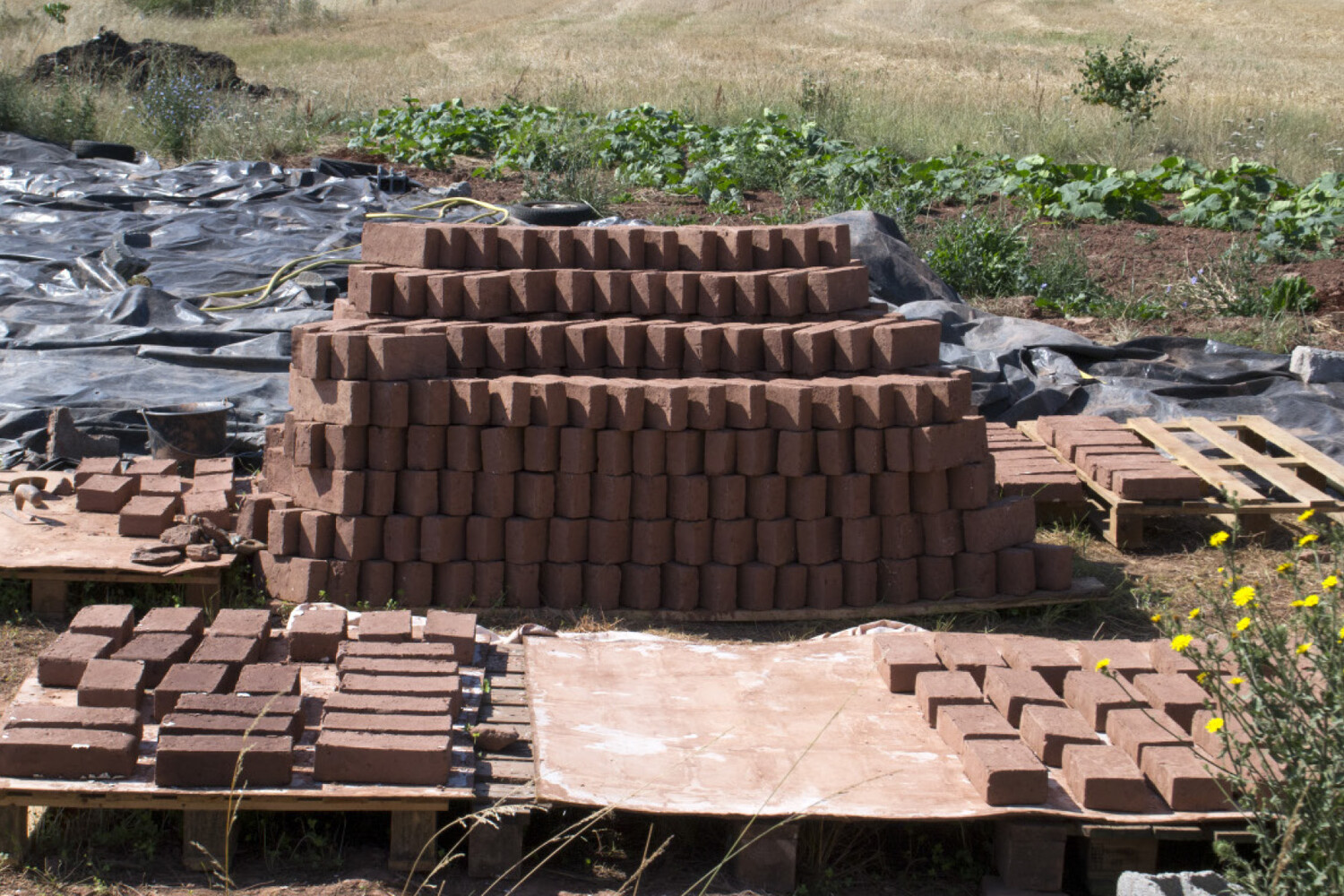
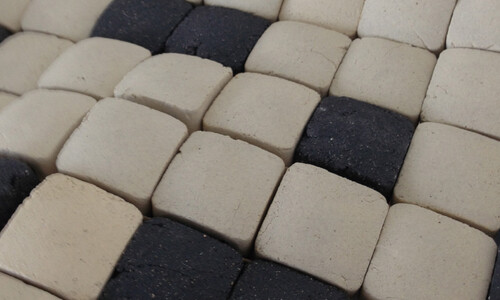
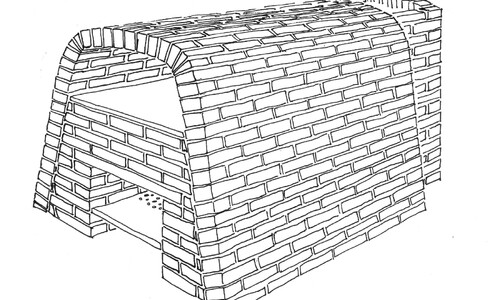
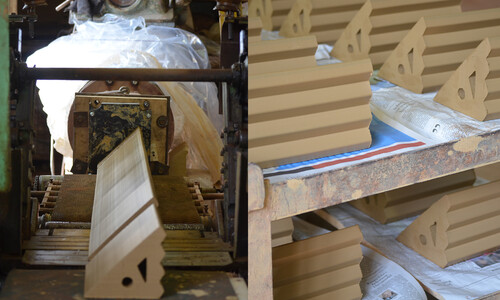
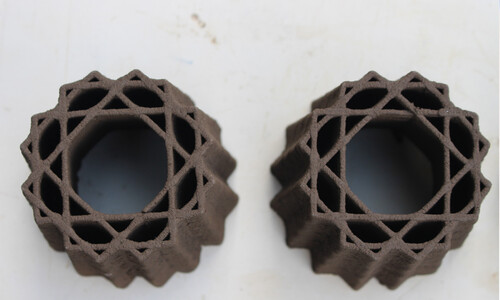
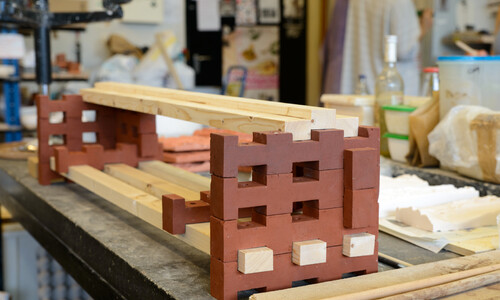
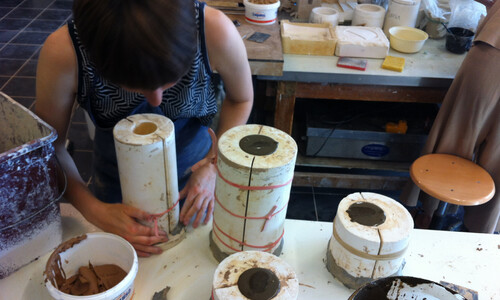
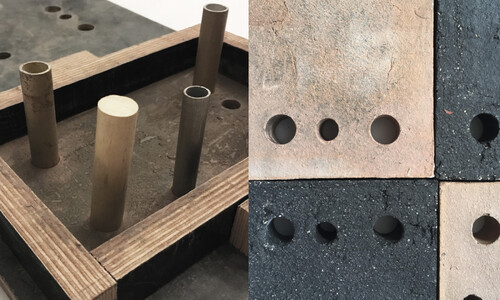
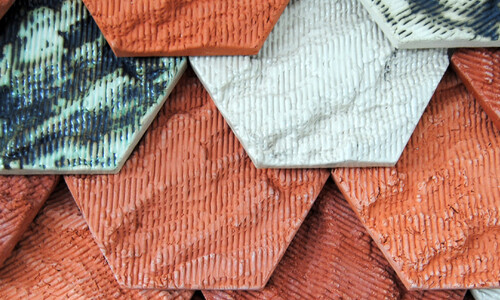
On a farmer’s land, clay is excavated from the ground and immediately shaped into bricks on site. Once dried, they are assembled into a structure and finally fired from the inside. The construction itself serves as its own kiln. This kiln is designed for a very specific purpose, which it will fulfill after the first firing, i.e., after its completion: namely, as a bread oven that the farmer can continue to use. Using the same method, other objects can also be created, such as a pavilion, a storage space, or simply a bench.
The result of the project is a fully functional oven, but it can also be read as a metaphor. The idea of relying on local resources is pushed to the extreme, even though, from an ecological perspective, transporting the materials just a few meters further would not make a significant difference. On the other hand, it represents a concept that can be implemented anywhere clay is available. For example, in rural regions like LOS, where there are increasingly fewer meeting points for the community, baking bread together can be an activity that brings people together. Collaboratively creating a bread oven is a great starting point. The materials are already there, and only simple tools are needed. Let’s go!