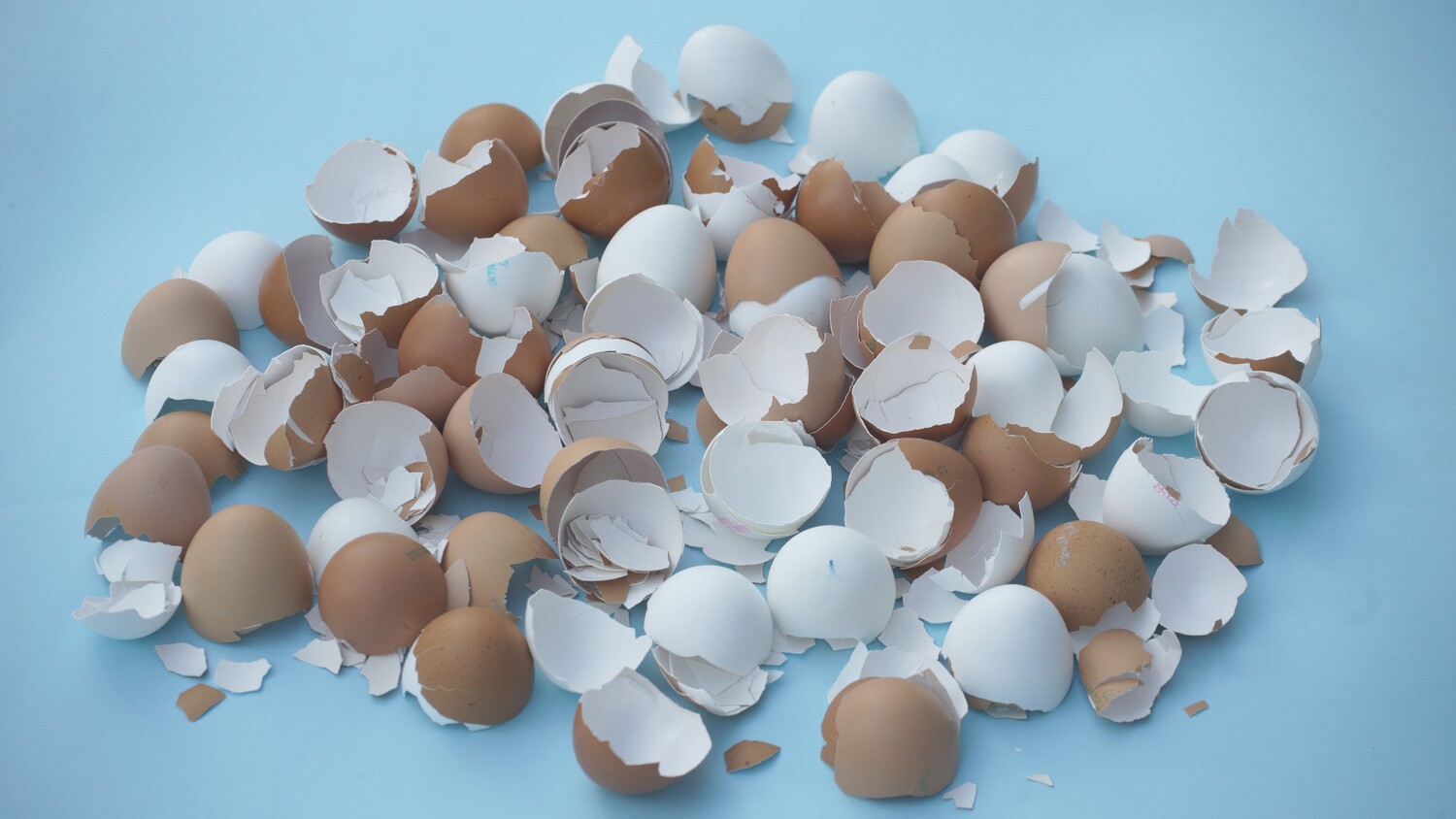
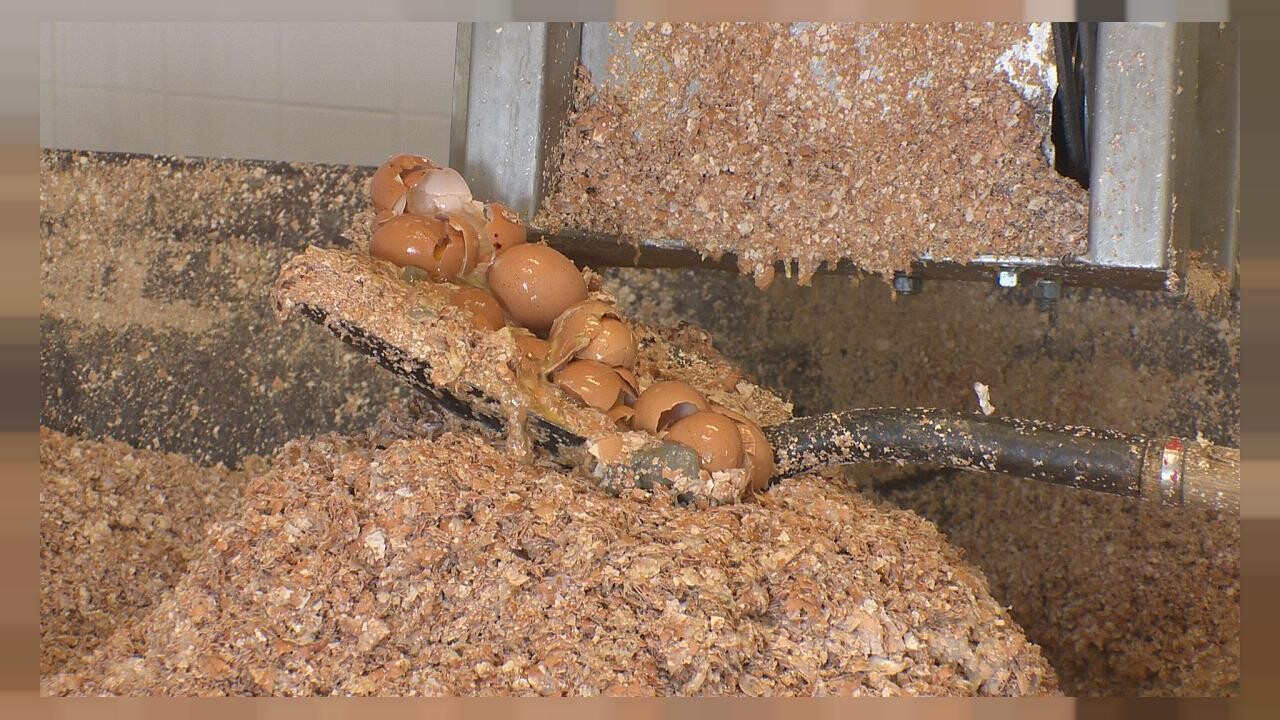
Chicken eggs are a widely consumed food that forms part of the diet of many people around the world. In 2017, according to the Food and Agriculture Organization (FAO), 80.1 million tons of chicken eggs were produced worldwide, including 11 million tons in Europe alone. Normally, only the contents of the egg are used as food, but what happens to the shell? According to EU law, eggshells are considered hazardous waste on an industrial scale due to the residual protein contained in the eggshell membrane. Therefore, egg-producing and processing companies must pay substantial sums to dispose of them in landfills. However, landfills are not a sustainable option. Additionally, landfill operators do not welcome this type of waste, as it can contain bacteria that attract unwanted visitors such as rats.
So, can eggshells be transformed from waste into valuable raw materials? The purpose of the eggshell is to protect the chick embryo. A very interesting feature is that it has high resistance to the conductivity of electric current, which suggests that the chick is protected from the effects of electromagnetic waves. Is it also possible for humans to make use of this protective function of the shell?
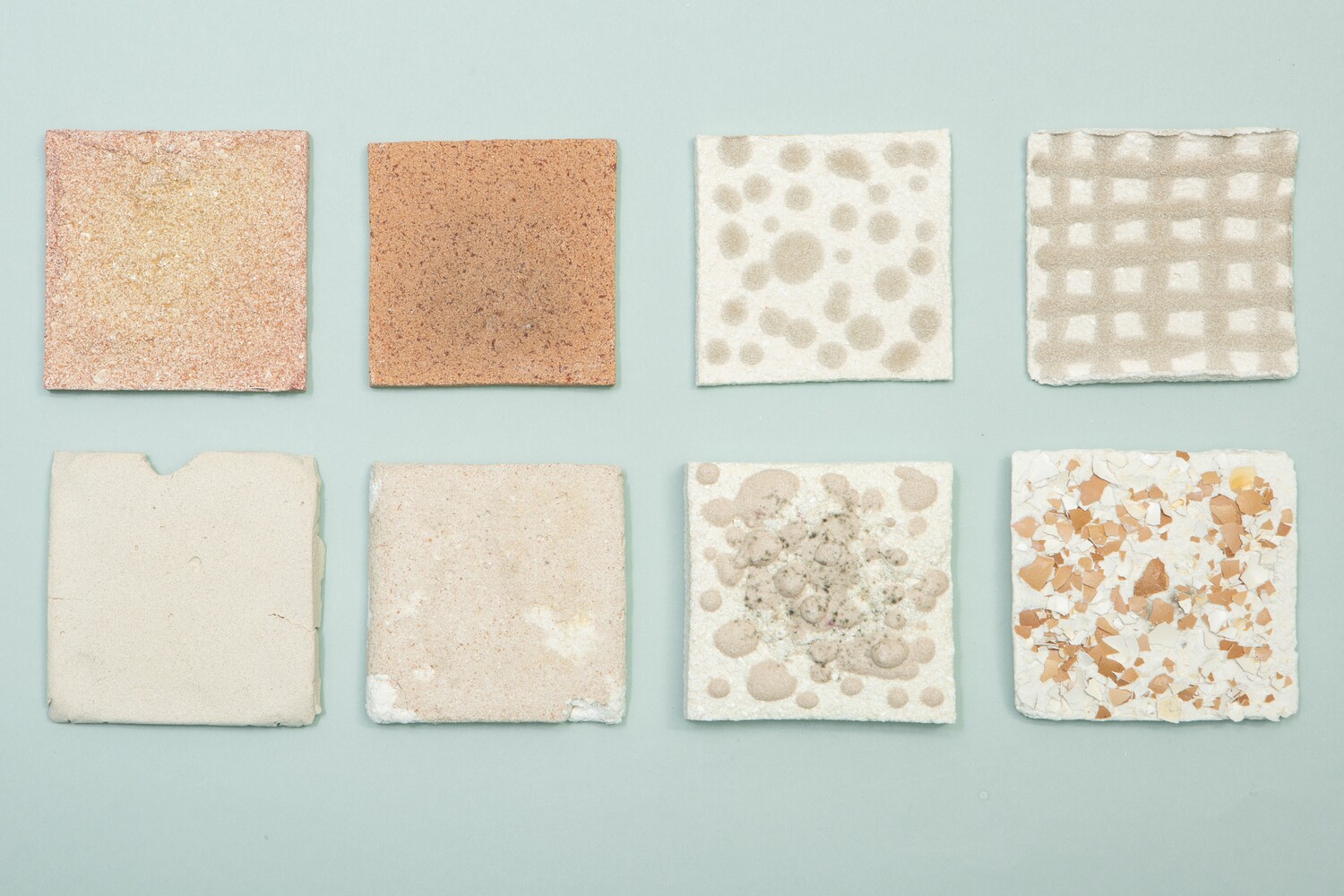
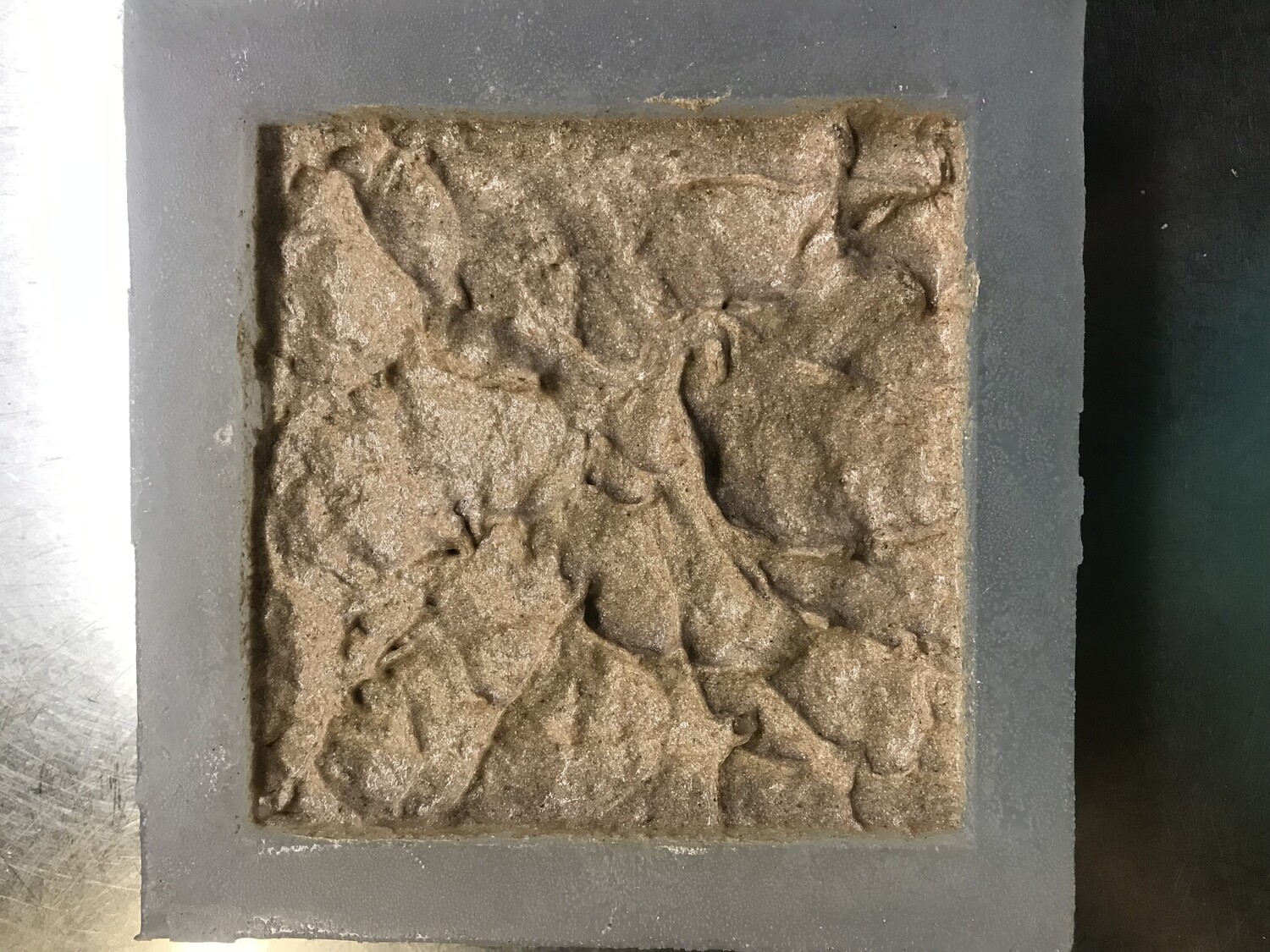
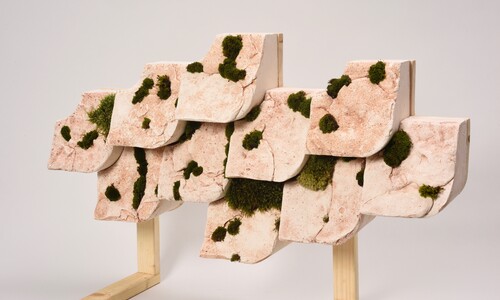
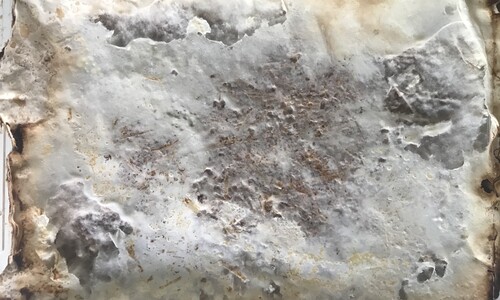
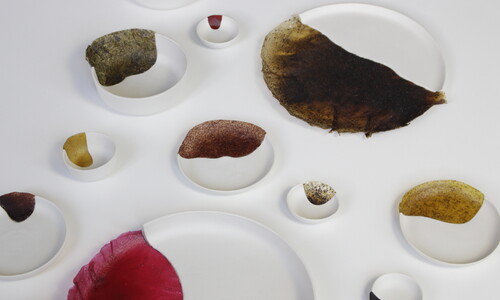
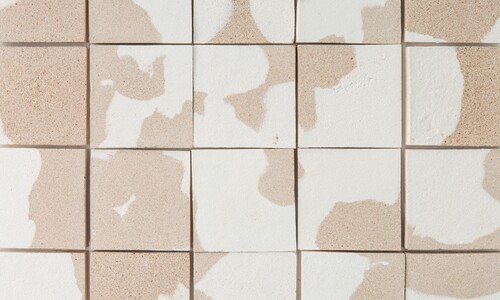
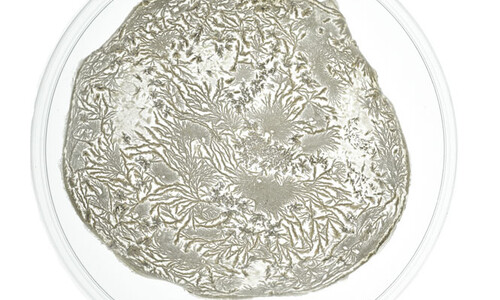
The project “The Shell” investigates the conversion of eggshells into stable surfaces using natural binders, with the most successful results achieved with agar-agar. An important step in this transformation is the sterilization of raw materials to remove residues from vital functions, in order to prevent the product from rotting. The second important step is grinding the eggshell into powder to expand its shaping possibilities; this is also crucial for the further disposal of the product, as crushed eggshell can be better absorbed by the soil during composting. Alternatively, eggshells can also be fed back to the chickens, thus enabling a closed material cycle.